



For many, Easter without sweets is almost unimaginable. Chocolate in the basket, small pralines throughout the day, perhaps a slice of cake during a family visit. And while our minds tell us, "It only happens once a year," harmful bacteria in the mouth thrive. Because especially on holidays, we not only snack more, but we also snack differently. More frequently, spread throughout the day, and often without real breaks.
The good news is: you don't have to give up chocolate to protect your teeth. Enjoying it in a tooth-friendly way doesn't mean deprivation, but rather snacking smarter. And that's precisely what makes the difference at Easter, because it's not the single bar that's the problem, but the many small moments in between.
In this article, we'll explain which chocolates are more tooth-friendly , what really matters when it comes to tooth-friendly sweets, and how you can enjoy Easter treats in a way that minimizes stress on your tooth enamel and gums. We'll also show you a simple aftercare routine where interdental cleaning and gentle brushing play a key role.
Why sweets are particularly "tricky" for teeth at Easter
Many people associate tooth decay and sugar with quantity. However, something else is often more crucial for your teeth: frequency. Every time you eat sugar or snack on something very starchy, certain bacteria in your mouth get food. They produce acids that attack tooth enamel. The mouth can usually counteract this, but it takes time. Saliva neutralizes acids and helps to remineralize the enamel.
If you keep snacking, like at Easter, your mouth doesn't get these breaks. The environment remains acidic for longer, and that's precisely the phase when tooth enamel is more sensitive. The whole Easter bunny isn't the problem, but rather the constant snacking. And that's surprisingly easy to change, without having to suddenly spend Easter without sweets.
A second point is consistency. Some sweets disappear quickly, while others stick to your teeth for a long time. Caramel, soft fillings, or very sticky bars keep sugar in your mouth longer. Chocolate cookies and wafers also contain starch, which is broken down into sugar molecules in the mouth. This feels harmless, but has a similar effect to sugar if it stays on your teeth for an extended period.
Tooth-friendly chocolate: What really matters
When people search for "tooth-friendly chocolate," they usually want a clear answer. Which is the best? Which is the least harmful? And yes, there are differences. But the most important truth is: tooth-friendliness results from the combination of composition and eating habits.
Darker chocolate with a higher cocoa content often contains less sugar than very sweet milk chocolate. This can be an advantage. It's also usually less sticky than caramel or soft fillings. That's another plus. But what's crucial is how you eat it. Consciously enjoying one piece after a meal is quite different from eating ten small pieces throughout the afternoon.
Sugar-free options are worth a closer look. Xylitol is often described as tooth-friendly because it's not metabolized by many bacteria in the same way as regular sugar. Nevertheless, moderation and frequency are still key, and larger quantities of xylitol can cause problems for those with sensitive stomachs. Tooth-friendly doesn't mean unlimited consumption , but rather mindful use. However, it's an option if you'd like to have an alternative on hand during holidays.
Here's how you can snack more tooth-friendly at Easter without it looking like you're deprived
Easter should be lighthearted. And that's precisely why the best strategy isn't to forbid yourself indulgence, but to structure it in a way that allows your mouth to breathe again in between. Being tooth-friendly on holidays primarily means: less constant snacking, more breaks.
One simple trick is timing. Eating sweets right after a meal is often better for your teeth than constantly snacking between meals. After eating, saliva production is usually more active, and your mouth is already moving around. If you snack on small pieces over several hours, however, the acidic environment in your mouth remains for longer. If you want to enjoy chocolate, it's better to eat it consciously in one piece rather than in many small bites throughout the day.
Water is also an underestimated helper. A glass of water after snacking rinses away sugar residue, moistens the mouth, and stimulates saliva production. It's a small ritual that can be easily integrated into everyday life.
Another point to consider is the combination. Very sticky sweets stay on your teeth longer, trapping the sugar. Chocolate, by comparison, is often less sticky than toffee, caramel, or soft fillings. So, if you have the choice, it can be better for your teeth to choose chocolate over very sticky candies. And if you're going to snack anyway, it can help to eat something afterward that stimulates saliva production, such as some nuts or a piece of cheese. Sometimes it's these small transitions that make all the difference.
What you definitely shouldn't do is brush your teeth vigorously immediately after eating something very sweet or sour. Sugar produces acids in the mouth, and if there's additional acid from drinks or fruit sweets, the tooth enamel can be temporarily more sensitive. In that case, "scrubbing immediately" isn't ideal. It's better to: rinse with water, take a break, and then gently brush later. This is often the more tooth-friendly approach.
Post-treatment care: How to keep Easter sweet while relaxing your teeth
Evening is the moment of reliable routine. Even if chocolate isn't always extremely sticky, residue and plaque tend to linger where you can't see them directly: in the gaps between teeth, along the gum line, and on small edges and grooves. These are precisely the areas that determine whether Easter remains tooth-friendly or whether you'll be left with sensitive teeth afterward.
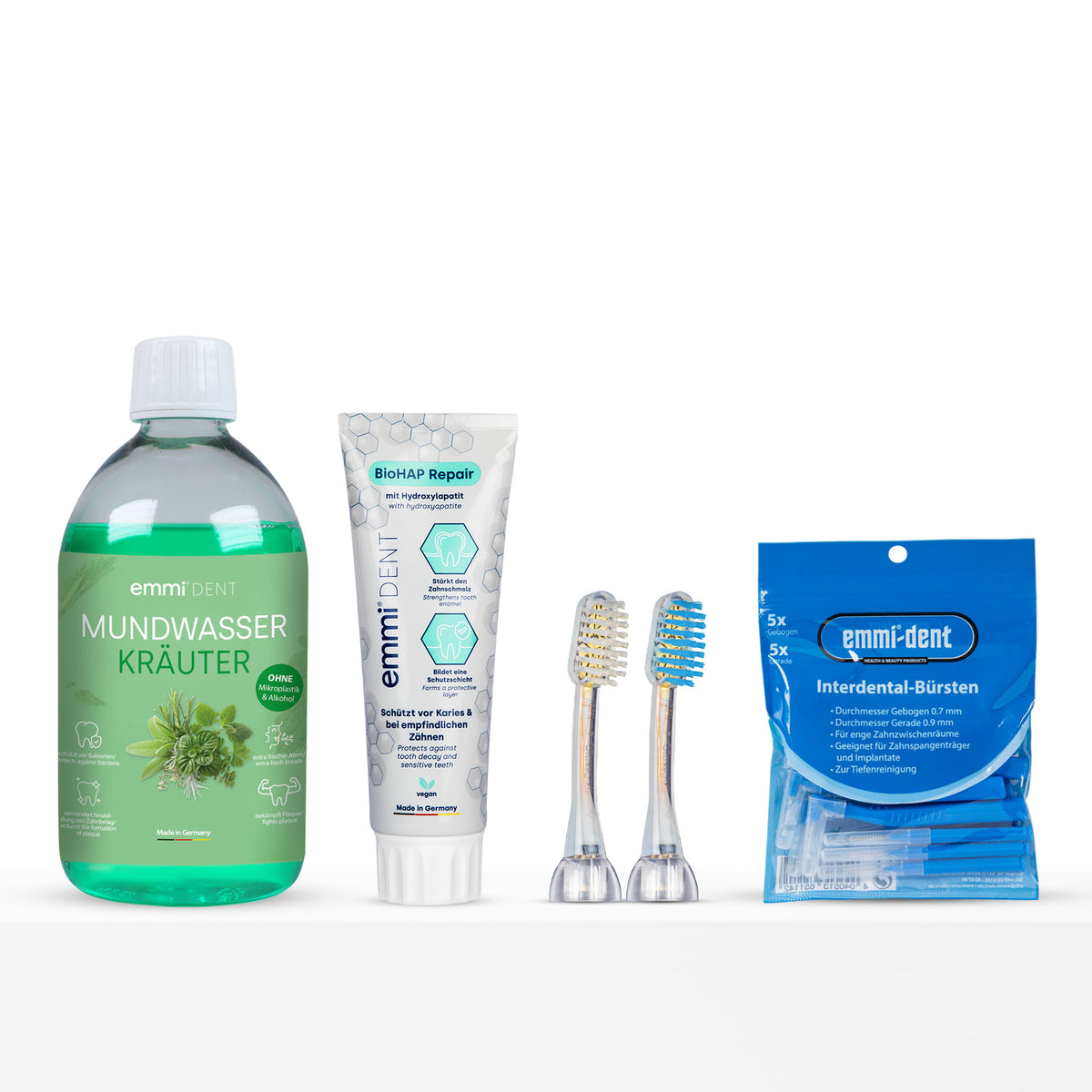
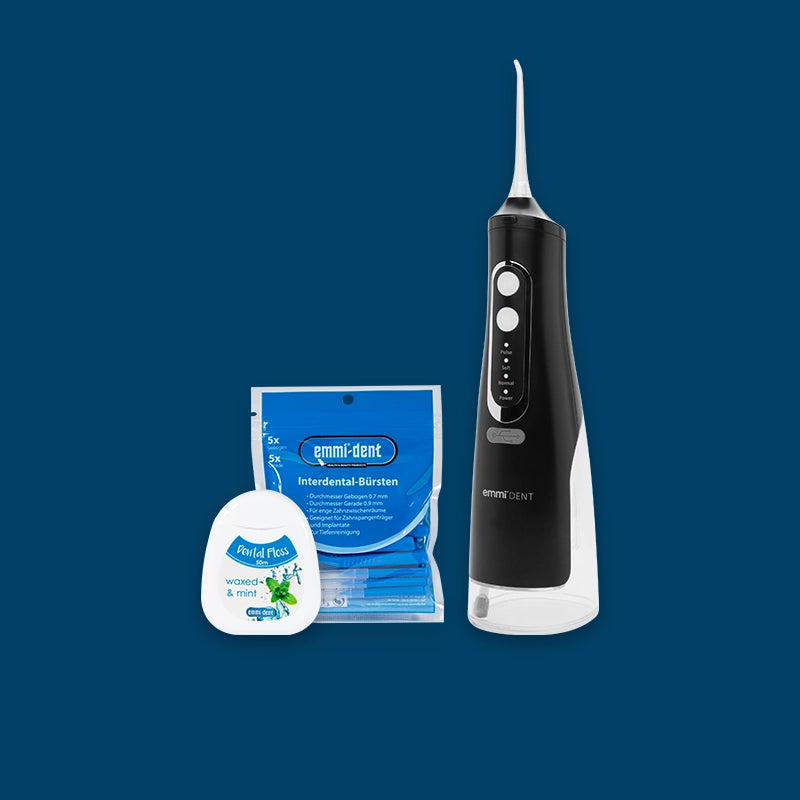
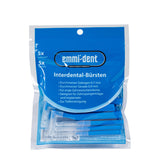
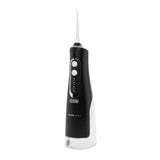
Interdental cleaning is key. If you indulged more than usual over Easter, it's especially important to clean between your teeth in the evening. This can be done with dental floss or another interdental cleaning product, depending on what works best for you. The most important thing is to clean gently and without rushing. Interdental spaces need peace and quiet, not pressure.
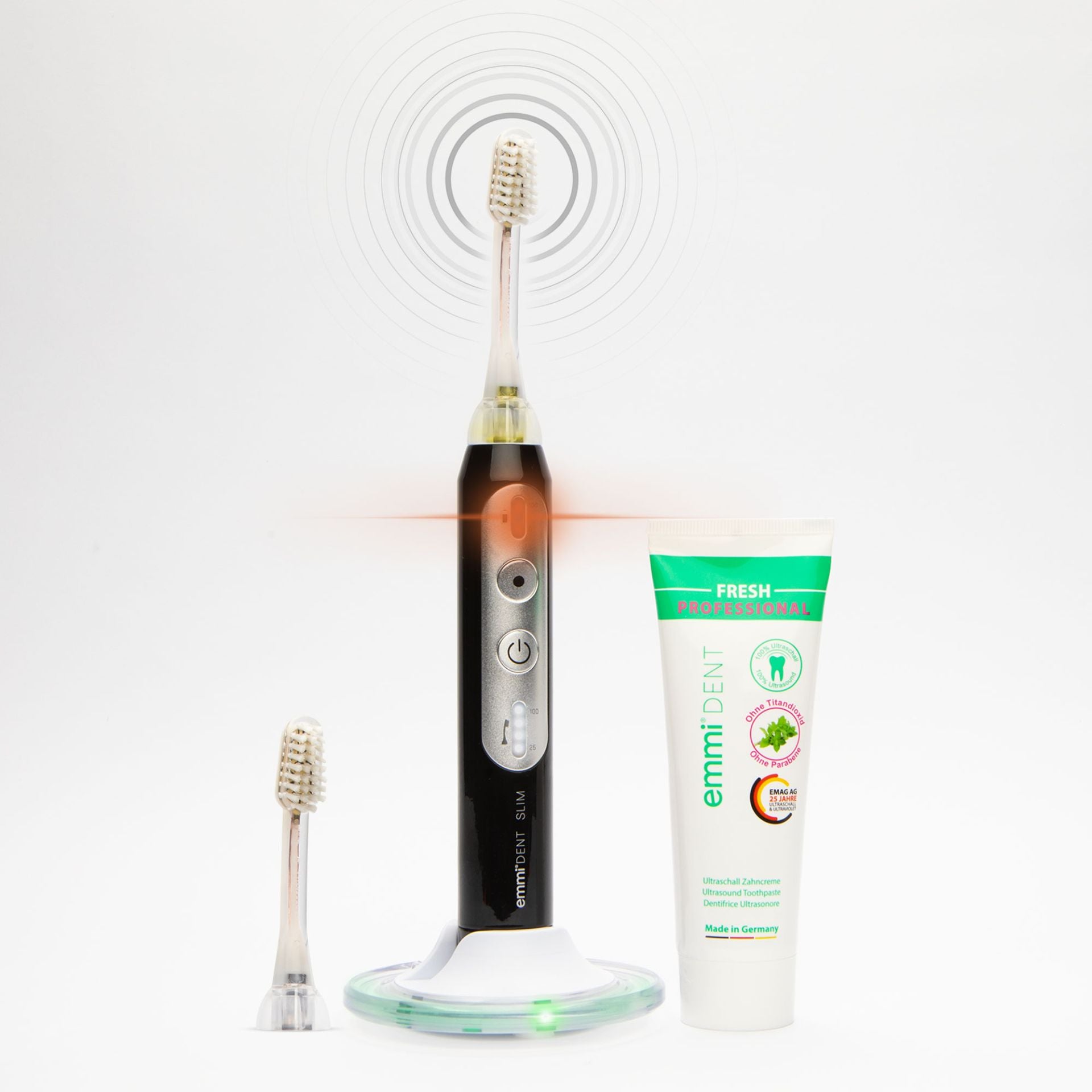
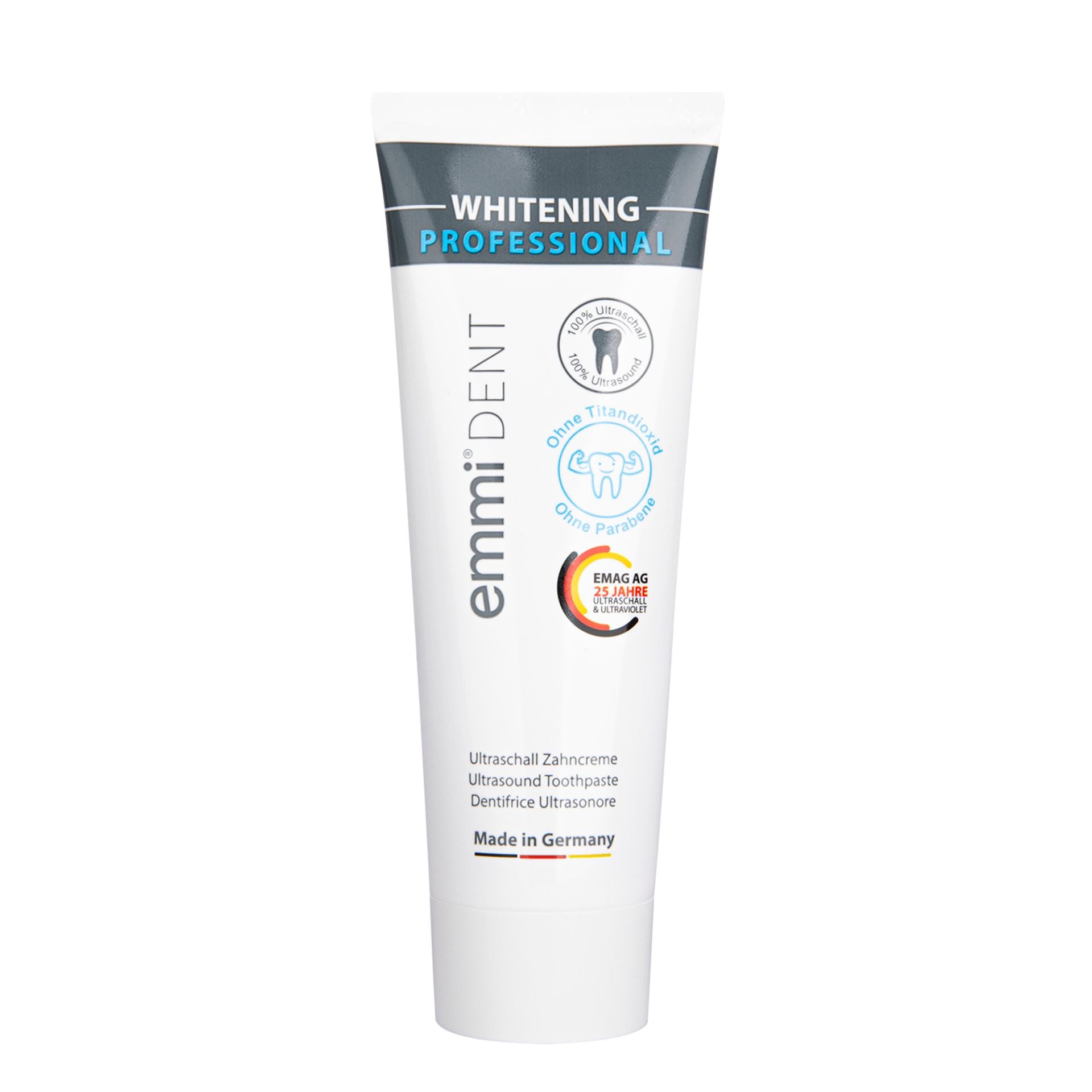
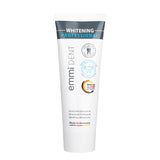
A gentle method is helpful for cleaning tooth surfaces and the gum line, so you don't automatically apply pressure. With our emmi-dent Slim, you can brush calmly and gently without scrubbing. Combined with our special emmi-dent ultrasonic toothpaste , you have a routine that's perfect for "sweet days" because it's thorough yet creates less mechanical stress. If you prefer convenience, our sets are a great solution, providing you with everything you need for a complete oral care routine without any hassle.