



Especially in spring, beer garden season feels carefree. The sun returns, jackets stay open, and the tables fill up almost automatically. A drink, a pretzel, maybe a few sweet or savory snacks. And while you enjoy the moment, something happens in your mouth that many only notice when it starts to hurt. Because a beer garden isn't just about enjoyment; for your teeth, a visit to a beer garden is often a constant strain.
This isn't because you're doing anything wrong or enjoying yourself. It's due to the combination of alcohol, snacking frequency, and timing. You're drinking over a longer period, snacking constantly in between, often salty, sometimes sweet. And this frequent snacking is a crucial factor when it comes to "snacking and dental health." The main problem isn't the individual snack, but rather the numerous small attacks on your oral environment over several hours. Your mouth gets fewer breaks to stabilize itself.
In this article, we'll explain why alcohol and beer garden snacks affect your teeth more than you might think , which drinks and snacks are more tooth-friendly, and which simple steps will help you get through the evening unscathed. You'll also get a gentle aftercare routine, including flossing, mouthwash, and a cleaning that won't further stress your gums.
Why beer garden season can become a real test for your teeth
Your teeth are never defenseless, because saliva is a pretty clever system. It rinses, neutralizes acids, and helps restore balance in the mouth. But if you sit in a beer garden for a long time, drink a lot, and snack constantly, this system can get out of whack. Alcohol further dries out the mouth for many people, salty snacks make you thirsty, and sweet or acidic drinks introduce acids and sugars. When saliva is lacking or overworked, plaque and acids have an easier time accumulating.
Furthermore, beer garden snacks often stick to your teeth. Pretzels and salty snacks tend to get stuck in grooves, while chips and crackers crumble finely and get trapped between your teeth. You don't notice it immediately, but your gums and the spaces between your teeth often tell you very reliably.
What's often underestimated is the factor of time. It's not just the quantity that counts, but how long your mouth is constantly being "refueled." Every sip and every snack briefly alters the environment. If this happens over hours, the conditions for plaque and irritation become more favorable. The crucial difference, therefore, isn't abstinence, but rather taking breaks and finding a smart balance. This means you can enjoy the beer garden without your teeth having to pay the price later.
Alcohol and dental health: What can really become problematic
Alcohol is often viewed solely as a recreational substance, but it has several effects on the mouth that can combine to be detrimental. The most significant is dryness. Many alcoholic beverages cause the mouth to produce less saliva, or at least feel drier. And without sufficient saliva, a crucial protective mechanism is lacking. Saliva not only rinses the mouth, but it also buffers acids and helps stabilize minerals in tooth enamel. When the mouth is dry, the risk of irritation, bad breath, and tooth decay increases.
The second point is the composition of the drink. Some drinks contain acids, others sugar, and some contain both. Acids can temporarily soften tooth enamel. Sugar, in turn, feeds harmful bacteria that produce acids. This doesn't mean that one glass is automatically harmful, but it explains why a long evening with many small sips has a significantly greater impact than a single drink.
In a beer garden, you'll typically encounter four categories: beer, wine, sparkling mixed drinks, and long drinks. Beer is often less acidic than many mixed drinks, but it can still be taxing on the stomach because it's consumed over a longer period, which can lead to a dry mouth. Wine often has a higher acidity, especially white wine. Sparkling drinks like aperitif mixes, shandies, or other variations frequently combine acidity and sugar. Long drinks can also be very high in sugar, depending on the mixer.
If you want to do something for your teeth in a beer garden, the most important factor isn't perfection, but rather your choice of drinks and the pace. Consciously enjoying a drink and drinking a glass of water in between can be significantly better for your teeth.
Immediate measures in the beer garden: How to protect your teeth without sacrifice
You don't have to follow every rulebook in a beer garden. Often, a few small decisions that fit seamlessly into your beer garden experience are enough. These small adjustments make the biggest difference when it comes to "snacking and dental health," because they give your mouth a break and support saliva in its work.
The most important step is water. Not as a party pooper, but as a counterbalance. If you drink a glass of water between alcoholic beverages, your mouth benefits in two ways: it stays moister and is regularly rinsed. In a beer garden, water is the simplest and most effective form of dental protection. And as a bonus, it usually feels good the next morning.
A second point is rhythm. Many people snack automatically because there's always something on the table. If you snack consciously instead and then take a break, you give your mouth a chance to regain its balance. That's the difference between "I eat a pretzel" and "I nibble on and on for two hours." Breaks are often more valuable for your tooth enamel and gums than any perfect snack choice.
The order in which you consume sugar can also help. If you know you'll want something sweet later, it can be beneficial not to spread it out over an hour, but to consciously enjoy it and then stop. This sounds trivial, but your mouth thrives on clear periods of sweetness. Frequent small sugar intakes are like a constant buffet for harmful bacteria.
If you want to do something for your teeth, there are also a few typical reflexes that aren't helpful. Brushing your teeth frantically right after drinking very acidic beverages can be detrimental because the acid can temporarily soften the enamel. In such a situation, it's better to drink water first and give your mouth some time. Don't scrub immediately, but neutralize the acid first. It's not complicated, but it makes a real difference.
And one more small, practical tip. If you notice your mouth getting dry, it could be because you're drinking only alcohol or sugary drinks for an extended period. A glass of water, a short break, maybe a tooth-friendly snack instead of constantly munching on snacks. These aren't big rules, just small decisions that can save you a lot of trouble later.
Post-care routine: How to make the most of your evening at home
The evening at the beer garden ends, but the remnants remain. Not visible, but often right where they bother you: between teeth, along the gum line, in small corners where crumbs and plaque collect. And it's precisely here that it's decided whether the enjoyment returns the next day as sensitive teeth or simply as a pleasant memory.
The first step at home should be a calm routine. You want to remove all the harmful plaque from the last few hours, but without stressing your gums. Especially after alcohol and snacks, the tissue is sometimes more sensitive because the mouth has been dry and the gum line is more easily irritated. Gentle and thorough is now the best combination.
Dental flossing, mouthwash and gentle ultrasonic teeth cleaning
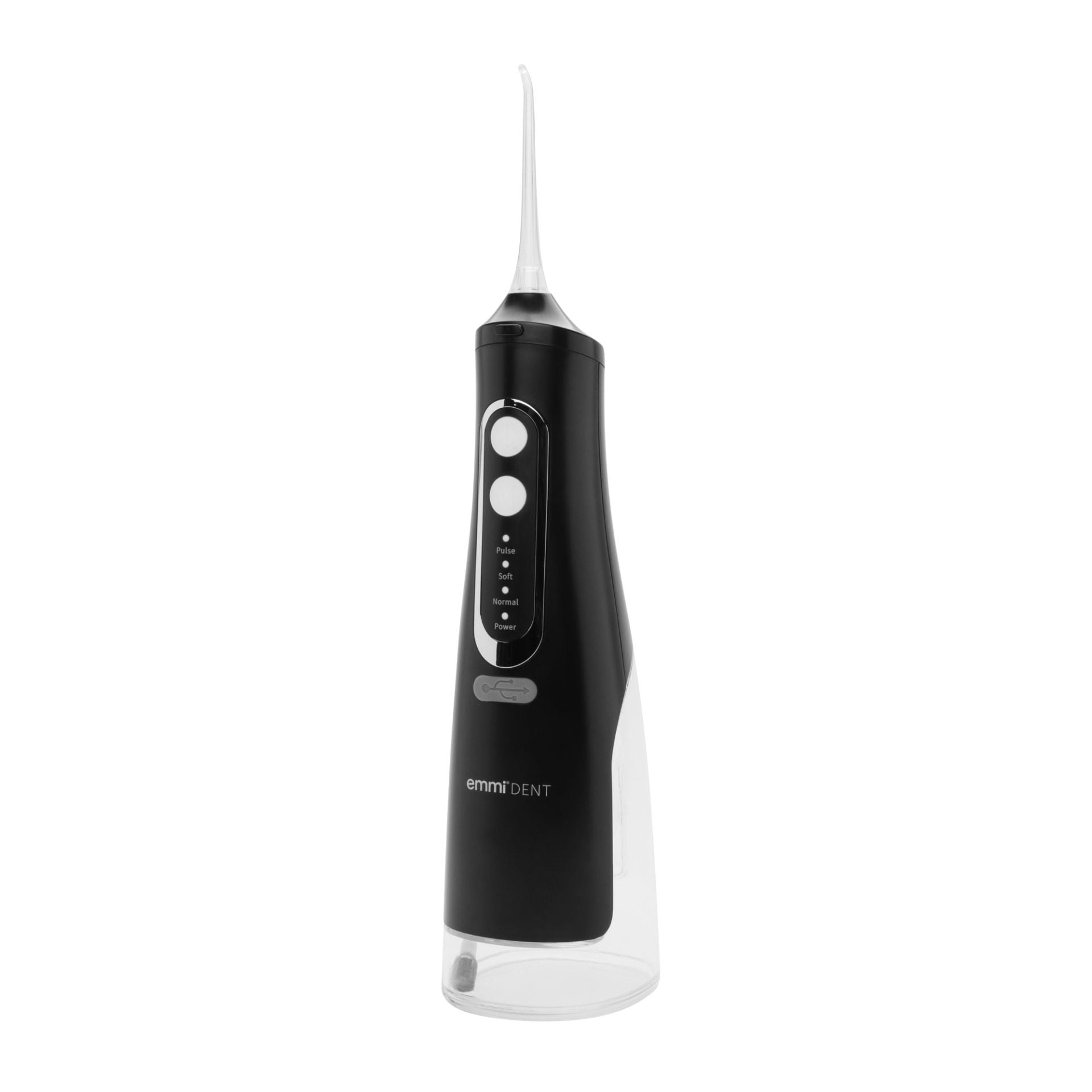
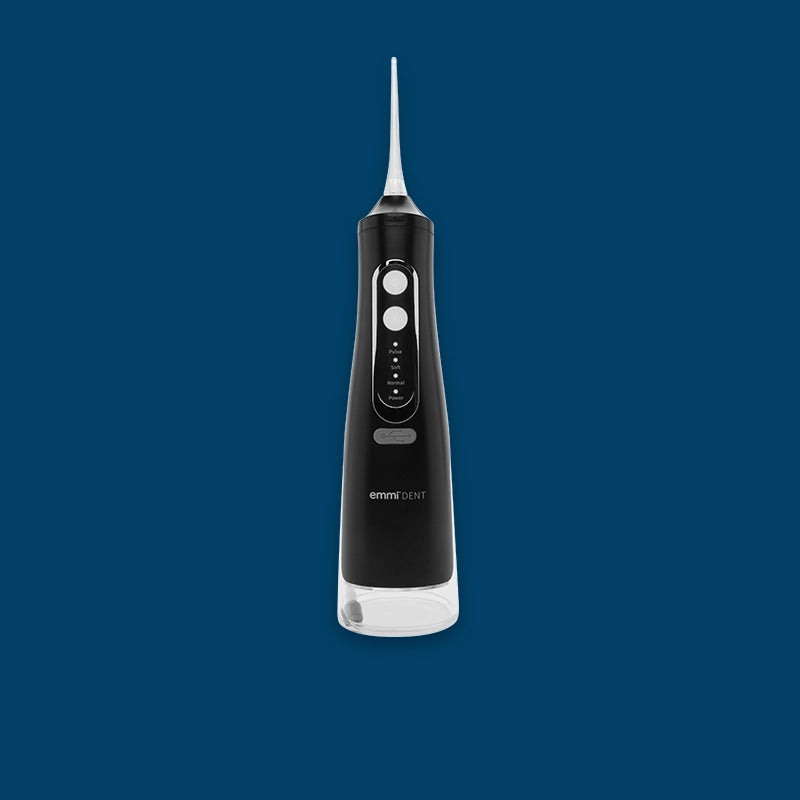
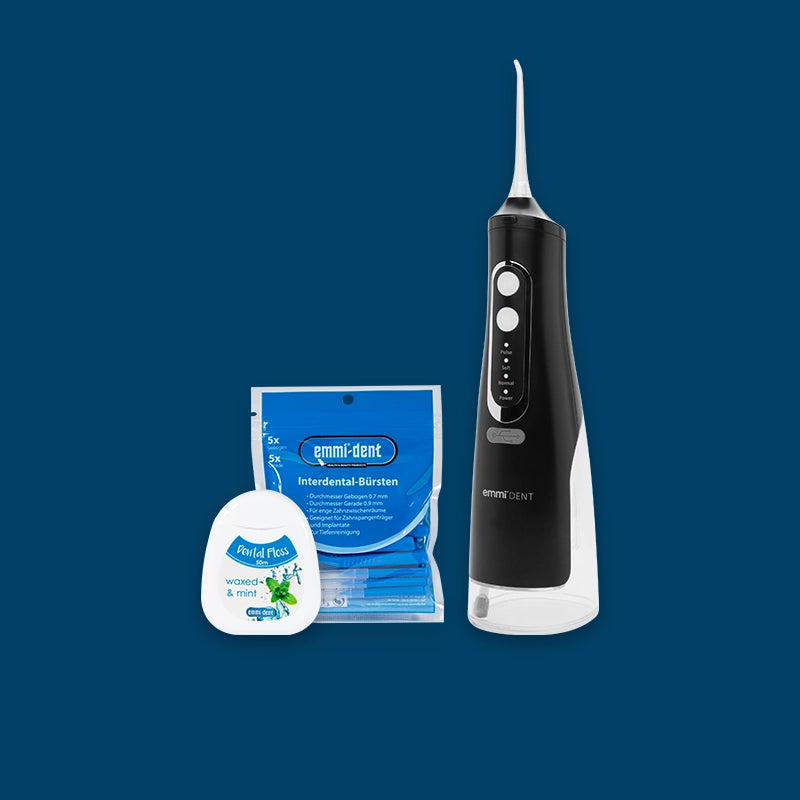
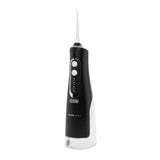
Flossing is especially useful after enjoying beer garden classics , because crumbs and starch tend to get stuck between your teeth. When using floss, be patient and avoid rushed movements. You want to clean the spaces between your teeth, not "saw" your gums. If it bleeds a little at first, that could indicate an irritation. In that case, gentle consistency is more important than perfection.
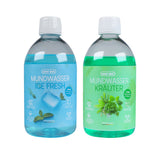
A mouthwash can be a helpful addition, especially if your mouth feels dry or you want a refreshing finish. It's important to understand your expectations. A mouthwash doesn't replace mechanical cleaning; it can only be a useful complement.
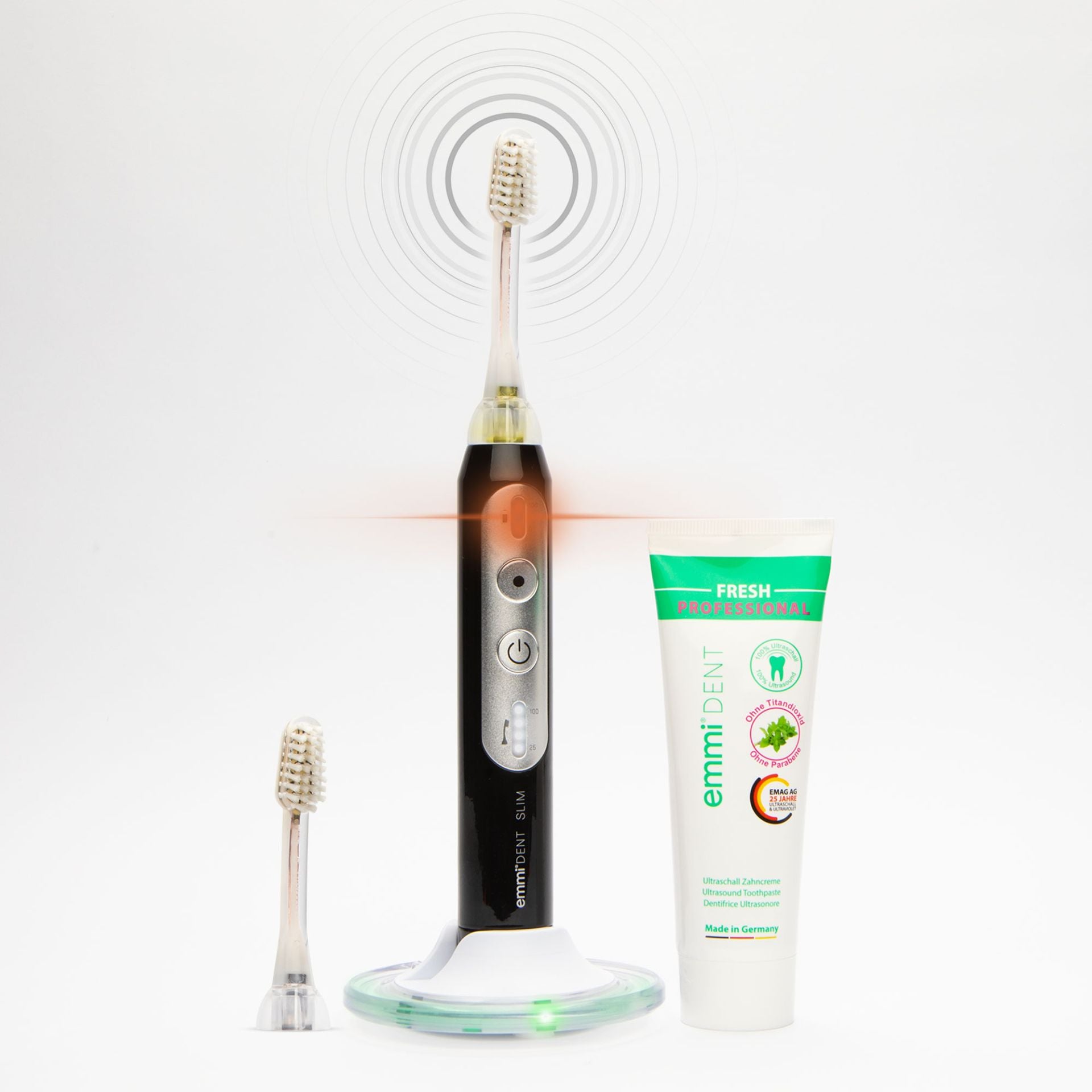
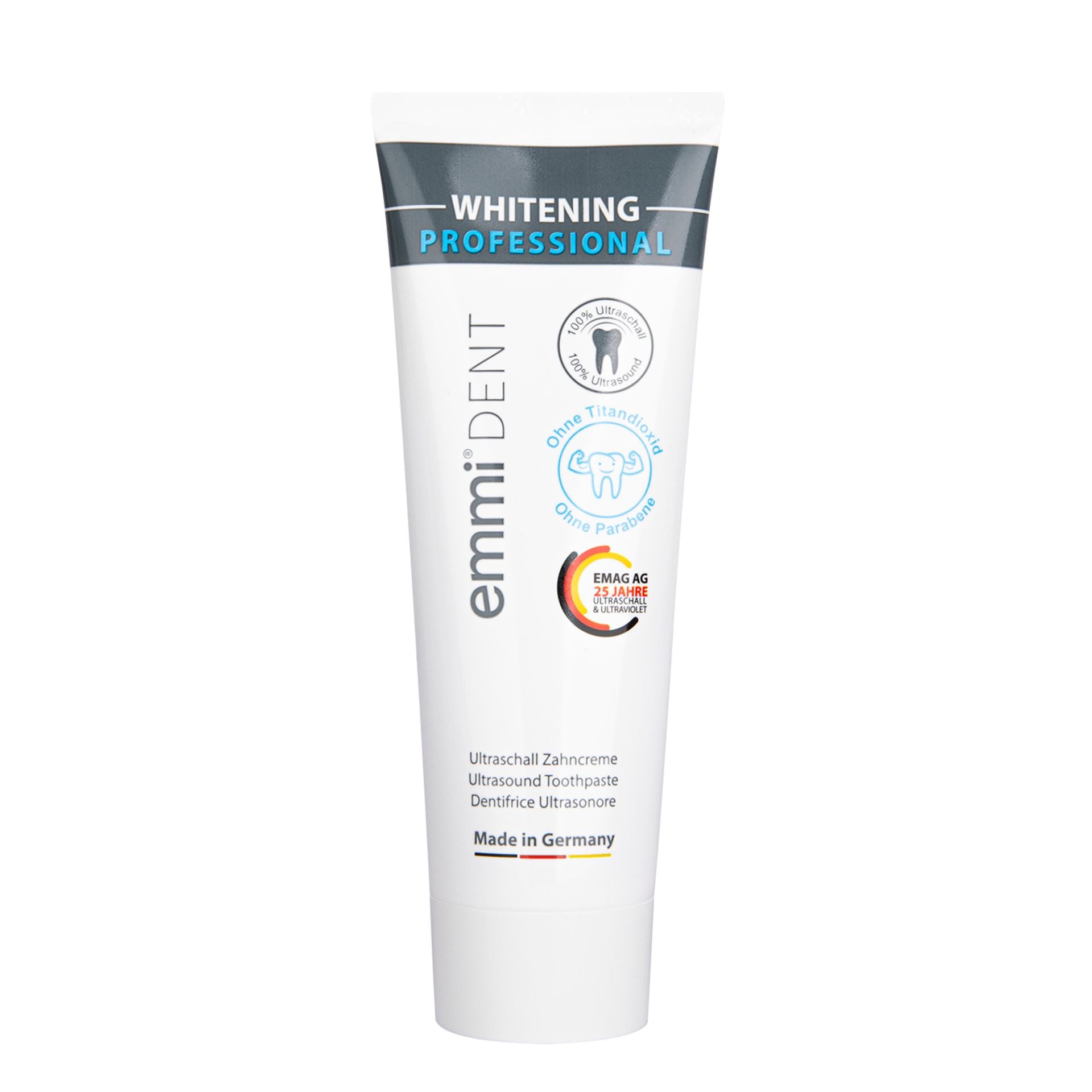
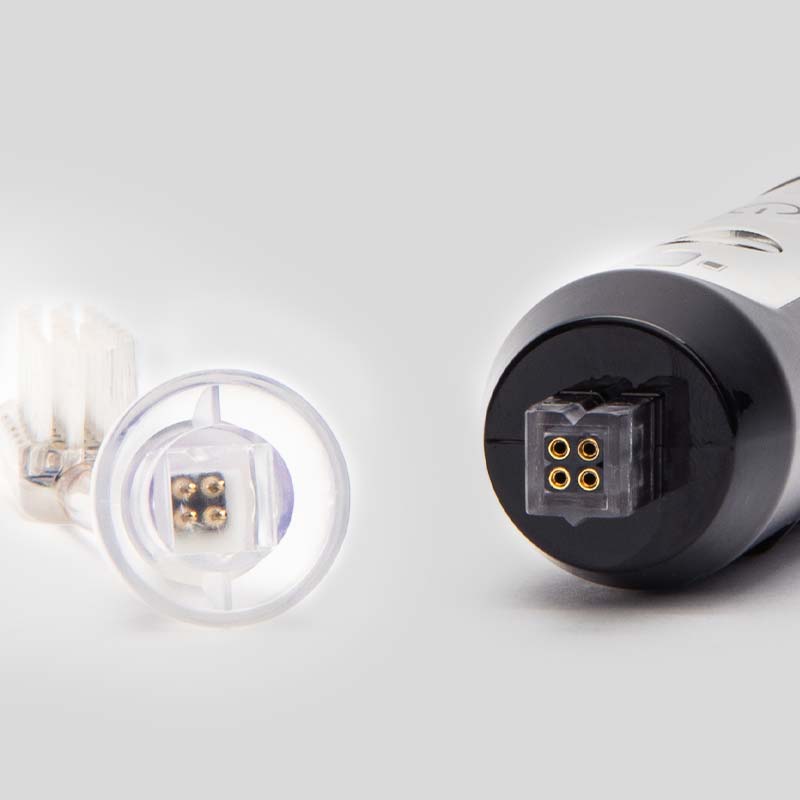
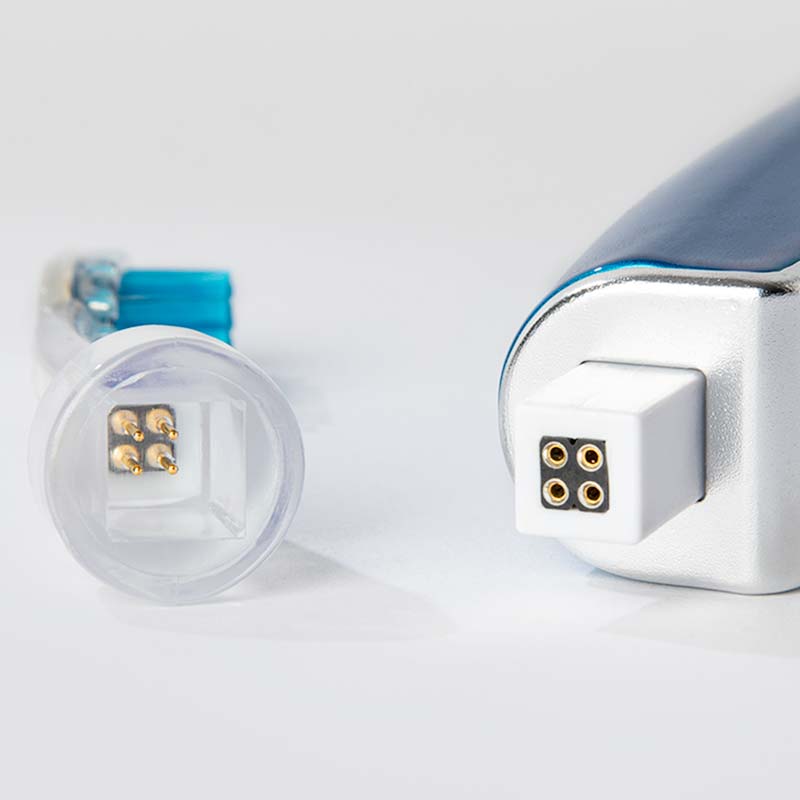
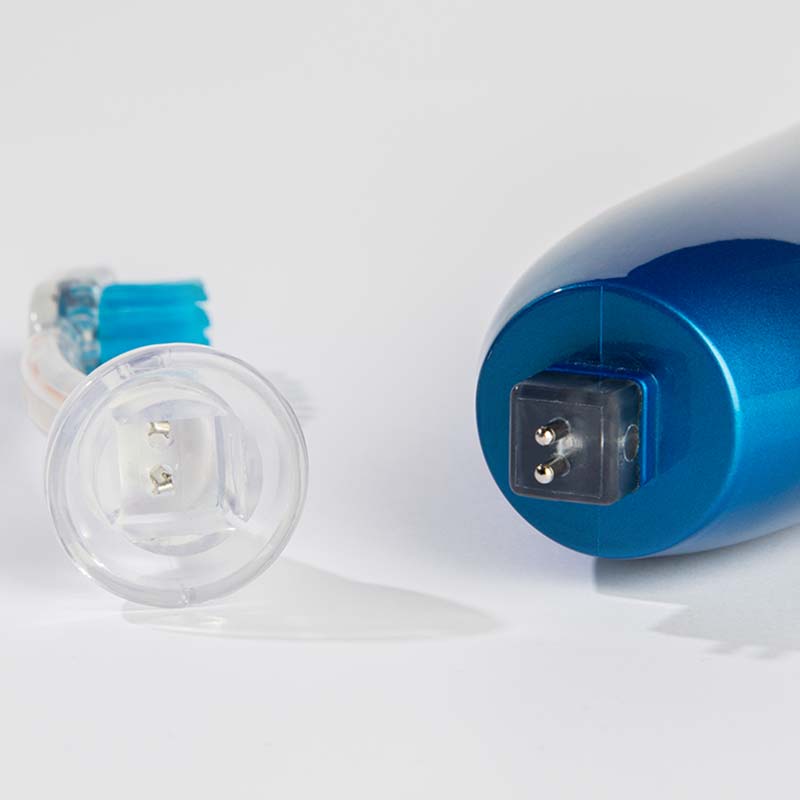
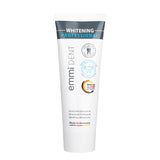
For the actual cleaning, a particularly gentle method can be helpful so you don't automatically brush with pressure. With our emmi-dent Slim , you can work calmly after such evenings because you don't have to scrub to be thorough. In combination with our emmi-dent ultrasonic toothpaste, it creates a cleaning regimen that reduces plaque and soft deposits while protecting the gum line. Especially if you tend to have sensitive gums or quickly experience a feeling of tightness after a snacking evening, this gentle teeth cleaning can make all the difference.